
No products in the cart.
Uncategorized
Medical Cocaine: Is It Sold Over the Counter or Only in Hospitals? Uses, Benefits, Risks, and Legal Status
03
Aug
Aug
Is Medical Cocaine Sold Over the Counter?
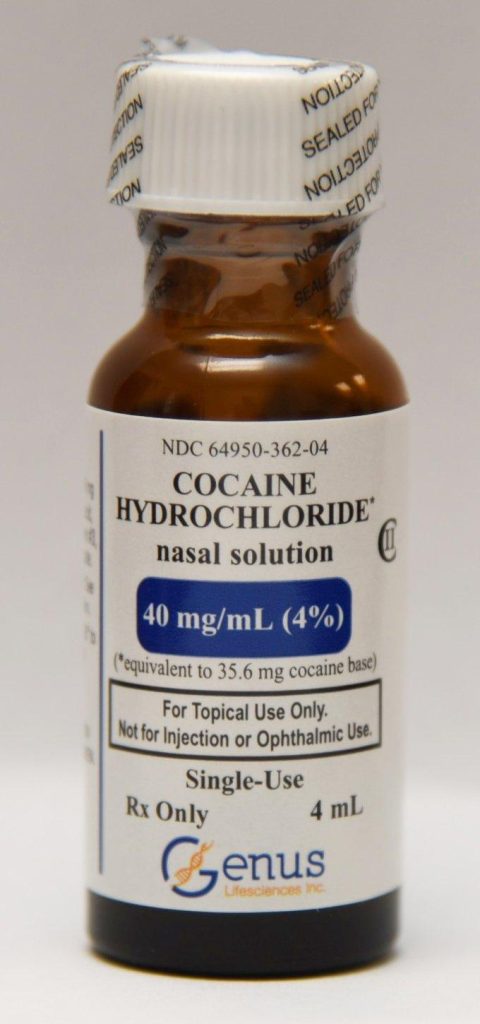
Medical cocaine is not sold over the counter (OTC) in any major country. It is a strictly controlled prescription medication that is generally stocked only by hospitals, surgical centers, and licensed healthcare facilities.
Unlike common local anesthetics such as lidocaine or benzocaine, medical cocaine is classified as a controlled substance because of its high potential for misuse and dependence. Healthcare providers must follow strict legal requirements for storage, prescribing, documentation, and disposal.
Today, medical cocaine is primarily available as cocaine hydrochloride topical solution, which surgeons apply directly to tissues rather than inject into the bloodstream.
For most patients, obtaining medical cocaine is impossible without undergoing a medical procedure in an approved healthcare facility.


5
What Is Medical Cocaine?
Medical cocaine is a pharmaceutical-grade preparation of cocaine hydrochloride that physicians use as both a local anesthetic and a vasoconstrictor.
Unlike illicit cocaine, medical cocaine is manufactured under strict pharmaceutical standards to ensure purity, consistency, and safety when used appropriately.
The medication blocks nerve signals responsible for pain while simultaneously narrowing blood vessels. This dual action makes it particularly valuable during delicate surgical procedures involving the nose and upper respiratory tract.
Although modern anesthetics have replaced cocaine in many applications, it still offers advantages that few medications can completely duplicate.
How Medical Cocaine Works
Medical cocaine blocks sodium channels in nerve cells. As a result, pain signals cannot travel to the brain.
At the same time, cocaine stimulates the sympathetic nervous system, causing blood vessels to constrict.
This combination produces several benefits:
- Rapid local anesthesia
- Reduced bleeding
- Improved surgical visibility
- Longer-lasting numbing effect
- Reduced swelling during procedures
Because of these unique properties, some specialists continue to prefer medical cocaine for selected operations.
Is Medical Cocaine Available Over the Counter?
The simple answer is no.
Medical cocaine cannot be purchased from:
- Pharmacies without a prescription
- Drug stores
- Online retailers
- Supermarkets
- Convenience stores
Instead, it is supplied only to licensed healthcare institutions that meet strict regulatory requirements.
Many countries classify cocaine as one of the highest-controlled medications available for medical use.
Hospitals typically store it in locked controlled-drug cabinets with detailed inventory records.
Every dose administered must be documented.
Why Isn’t Medical Cocaine Sold OTC?
Several reasons explain these restrictions.
High Abuse Potential
Cocaine can produce intense euphoria when misused.
Its addictive nature makes unrestricted public access unsafe.
Serious Health Risks
Improper use can cause:
- Heart attack
- Stroke
- High blood pressure
- Cardiac arrhythmias
- Seizures
- Respiratory complications
Strict Government Regulations
Governments regulate every stage of production and distribution.
Manufacturers, wholesalers, pharmacies, and hospitals must obtain special licenses.
Medical Uses of Cocaine
Although its medical use has declined over the past several decades, cocaine remains an effective medication for certain specialized procedures.
1. Nasal Surgery
The most common use today involves nasal operations.
Doctors apply cocaine solution directly inside the nose before surgery.
Benefits include:
- Excellent pain control
- Reduced bleeding
- Better visualization
- Easier removal of tissue
Common procedures include:
- Septoplasty
- Nasal fracture repair
- Endoscopic nasal surgery
- Removal of nasal tumors
2. Sinus Surgery
Ear, nose, and throat (ENT) surgeons occasionally use medical cocaine during sinus procedures because it minimizes bleeding while providing anesthesia.
This improves surgical precision.
3. Diagnostic Nasal Procedures
Some specialists use cocaine before:
- Nasal endoscopy
- Complex examinations
- Biopsy procedures
Patients experience less discomfort while physicians obtain clearer visualization.


5
4. Ear, Nose and Throat Operations
ENT specialists sometimes select cocaine because few other medications combine:
- Local anesthesia
- Blood vessel constriction
- Reduced tissue swelling
This combination helps improve outcomes during delicate procedures.
5. Historical Eye Surgery
Before safer alternatives became available, ophthalmologists frequently used cocaine during eye operations.
Today, medications such as lidocaine, tetracaine, and proparacaine have largely replaced it.
Advantages of Medical Cocaine
Although uncommon today, medical cocaine still offers unique clinical benefits.
Excellent Local Anesthetic
It provides rapid numbness without requiring general anesthesia.
Patients remain awake during many procedures.
Superior Vasoconstriction
One of cocaine’s greatest advantages is its ability to shrink blood vessels.
Less bleeding means:
- Better visibility
- Faster procedures
- Cleaner surgical field
Longer Surgical Effect
Medical cocaine often lasts long enough for many ENT procedures without repeated applications.
Improved Surgeon Precision
Reduced bleeding helps surgeons identify important structures more easily.
Risks and Side Effects of Medical Cocaine
Despite its benefits, medical cocaine carries significant risks.
Healthcare professionals carefully evaluate every patient before use.
Common Side Effects
Patients may experience:
- Increased heart rate
- Elevated blood pressure
- Nervousness
- Anxiety
- Headache
- Dizziness
These effects usually resolve after the medication wears off.
Serious Complications
Although uncommon in monitored medical settings, serious complications include:
- Heart rhythm abnormalities
- Chest pain
- Stroke
- Seizures
- Heart attack
- Severe hypertension
Patients with cardiovascular disease often require alternative anesthetics.
Allergic Reactions
Rare allergic reactions may include:
- Rash
- Difficulty breathing
- Facial swelling
- Hives
Emergency treatment may be necessary.
Who Should Not Receive Medical Cocaine?
Medical coke is not appropriate for everyone.
Doctors carefully review medical history before administration.
It may not be suitable for patients with:
- Coronary artery disease
- Uncontrolled hypertension
- Serious arrhythmias
- Hyperthyroidism
- Previous cocaine sensitivity
- Certain psychiatric conditions
Pregnant patients also require careful assessment because cocaine may affect fetal circulation.
How Is Medical Cocaine Administered?
Medical coke is not injected for routine anesthesia.
Instead, physicians typically apply it directly to mucous membranes.
Methods include:
- Cotton pledgets soaked in solution
- Nasal spray (where approved)
- Topical application using surgical instruments
Healthcare professionals monitor:
- Blood pressure
- Heart rate
- Oxygen levels
- Overall patient response
Because absorption varies between patients, dosing must be carefully controlled.


6
Why Do Some Doctors Still Use Medical Cocaine?
Modern anesthetics have replaced cocaine in most situations.
However, ENT surgeons sometimes continue using it because no single alternative matches both its anesthetic and vasoconstrictive effects simultaneously.
In carefully selected cases, Medical coke can:
- Improve visibility
- Reduce bleeding
- Shorten operating time
- Enhance procedural precision
Many hospitals nevertheless prefer alternatives because they avoid controlled-substance regulations and reduce cardiovascular risks.
Alternatives to Medical Cocaine
Several medications now perform similar functions with fewer regulatory challenges.
Common alternatives include:
- Lidocaine
- Tetracaine
- Proparacaine
- Oxymetazoline combined with local anesthetics
- Phenylephrine with lidocaine
Although these drugs are widely used, they may not perfectly replicate cocaine’s combined effects.
The choice depends on the procedure, patient health, and physician preference.
Is Medical Cocaine Legal?
Yes. Medical coke is legal when manufactured, distributed, prescribed, and administered according to national laws.
Its legal status differs from illicit cocaine because it is produced under pharmaceutical standards and used only for legitimate medical purposes.
Hospitals must comply with strict controlled-drug regulations governing:
- Purchasing
- Storage
- Inventory
- Administration
- Record keeping
- Disposal
Unauthorized possession remains illegal in many jurisdictions.
Frequently Asked Questions
Can You Buy Medical Cocaine at a Pharmacy?
No. It is generally supplied only to licensed hospitals and healthcare facilities under strict regulatory controls.
Is Medical Cocaine Different from Illegal Cocaine?
Yes. Medical coke is pharmaceutical-grade cocaine hydrochloride manufactured to strict quality standards for controlled medical use, whereas illicit cocaine is produced illegally and may contain dangerous contaminants.
Why Do Surgeons Use Cocaine Instead of Lidocaine?
In selected ENT procedures, cocaine provides both effective local anesthesia and strong vasoconstriction, helping reduce bleeding while numbing tissue.
Is Medical Cocaine Addictive?
When administered by trained healthcare professionals for a medical procedure, the risk of developing addiction from a single supervised use is very low. However, cocaine has a high potential for misuse if used outside medical supervision.
Does Every Hospital Stock Medical Cocaine?
No. Many hospitals rely on alternative anesthetics. Medical cocaine is typically found only in facilities that perform specific ENT or nasal procedures and maintain the necessary controlled-substance authorization.
Conclusion
Medical cocaine remains a unique pharmaceutical agent with specialized applications in modern medicine. Although it is not available over the counter, it continues to serve an important role in selected ear, nose, and throat procedures because it combines effective local anesthesia with powerful blood vessel constriction. These properties help reduce bleeding, improve surgical visibility, and enhance precision during delicate operations.
Due to its potential for misuse and serious cardiovascular side effects, medical cocaine is tightly regulated and generally available only in hospitals and licensed healthcare facilities. Most routine procedures now use safer alternatives such as lidocaine or tetracaine, but medical cocaine remains an option when its distinctive clinical benefits outweigh its risks. For patients, the medication is used only under close medical supervision, ensuring that safety and effectiveness remain the highest priorities.
